Travel Guide
Matenadaran Ticket and Hours Guide 2026: How to Plan Yerevan’s Manuscript Museum
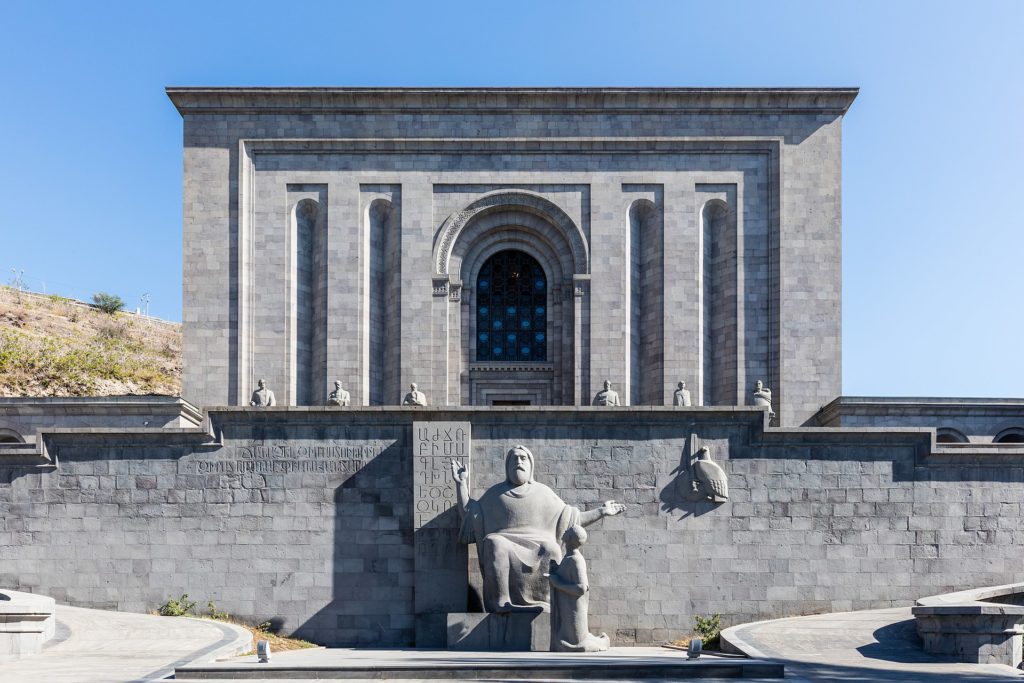
Matenadaran is not a filler museum for a spare hour in Yerevan. It is the Mesrop Mashtots Institute of Ancient Manuscripts, a research institution and museum where Armenia's manuscript culture, conservation work, and exhibition rooms meet in one visit.
ByMomentBook EditorialPublishedUpdated
Matenadaran is not a filler museum for a spare hour in Yerevan. It is the Mesrop Mashtots Institute of Ancient Manuscripts, a research institution and museum where Armenia's manuscript culture, conservation work, and exhibition rooms meet in one visit.
This guide is based on Matenadaran's official hours, ticket, and museum pages, plus the Yerevan Municipality page, checked on May 4, 2026. Prices and operating rules can change, so confirm the official pages again before you go.
What to know first
- Official visitor hours are Tuesday to Saturday, 10:00-17:50.
- Sunday, Monday, holidays, and remembrance days are listed as non-working days.
- The standard admission ticket is 2,000 AMD.
- Visitors aged 6-18 are listed at 1,000 AMD.
- A separate 300 AMD rate is listed for schoolchildren and students of the Republic of Armenia.
- Foreign-language guiding costs 5,000 AMD for a group of up to 10 people and 7,000 AMD for a group of 11 or more.
- Groups of more than five visitors should arrange the visit in advance, and guided service is reservation-based.

*Image source: Matenadaran official site*
Separate admission from guided-service costs
The official price list makes one point clear: the museum ticket and guided service are separate costs. Start with the 2,000 AMD standard admission, then decide whether you need a guided explanation in Armenian or another language.
Armenian-language guiding is listed at 5,000 AMD for a group of up to 15 people. Foreign-language guiding is 5,000 AMD for up to 10 people and 7,000 AMD for groups of 11 or more. If the explanations matter to your visit, do not treat guiding as a walk-up certainty. The official pages frame it as a reserved service, with availability depending on arrangements.
The opening week is narrower than it looks
The public museum schedule runs from 10:00 to 17:50, Tuesday through Saturday. That is a useful day window, but the closure pattern matters. Sunday and Monday are non-working days, so a weekend-heavy Yerevan itinerary may have only Saturday as the realistic museum day.
For a short stay, morning or early afternoon is safer. Arriving late in the day can compress the exhibition, shop, and any questions you may want to ask at the ticket office.
Photo rules and special areas are not part of a normal ticket
The official ticket page says professional cameras and camcorders require permission from the director. Even with casual phone photos, follow signs and staff instructions inside the galleries.
The restoration department is also separate from the ordinary museum visit. The official page lists a 10,000 AMD fee, a group size of 7 to 15 people, and prior written authorization. Do not assume a normal admission ticket gives access to that area.
Why Matenadaran belongs in a Yerevan plan
Matenadaran's official museum page describes a permanent exhibition built around Armenian manuscript culture, foreign-language manuscripts, restoration work, and educational spaces. Yerevan Municipality also identifies the institution as both a museum and a research institute for ancient manuscripts.
That means the visit is not just about looking at old books. It is a way to connect the Armenian alphabet, religious art, preservation methods, and the role of manuscripts in regional history.
Practical cautions
Use the official pages as the final authority for prices and hours. This is especially important for closures, group visits, foreign-language guiding, and professional photography permission.
Research use is different from ordinary museum visiting. If you are going as a traveller, plan around the museum ticket and public hours. Treat the library, reading room, and restoration department as separate arrangements.
Final planning checks
Use this guide as a decision sequence, not as a promise that every counter, gate, platform, trail, or desk will behave the same way on the day you arrive. Start with the official source links, then compare them with your real date, arrival time, group size, mobility needs, luggage, and payment method. If the official page has changed since the checked date, follow the current official page and keep this article as the structure for the questions you still need to answer.
For Matenadaran Ticket and Hours Guide 2026: How to Plan Yerevan’s Manuscript Museum, the most useful habit is to keep the practical pieces together. Put tickets, booking references, QR codes, identity documents, pass numbers, screenshots, and the relevant official page in one place before leaving your hotel. If a staff member, driver, guide, ticket desk, or gate agent asks for proof, you should not have to search through email, browser tabs, and photo albums while a queue forms behind you.
Build a time buffer around the strictest point in the plan. That may be last entry, the last return trip, a timed reservation, a maintenance window, a ferry or train connection, a security check, or the moment when weather makes the experience less useful. The buffer is especially important when the route has more than one operator, when a holiday schedule is possible, or when the plan depends on a transfer that is easy on a map but slow in real life.
Treat prices and rules as items to verify, not as trivia to memorize. A good travel plan notes the current fare, permit, pass, age rule, discount category, closure day, bag policy, photo rule, and accessibility limit, then checks the official page again before payment. This avoids the common mistake of buying the right product for last season and the wrong product for this visit.
If the visit matters a lot, prepare a fallback that uses the same area instead of rebuilding the whole day from zero. Choose a nearby indoor stop for bad weather, a lighter route for tired companions, a later meal option for a queue delay, and a return plan that still works if the first choice sells out or stops early. The fallback should be simple enough to use without research under pressure.
Finally, read the source section with a practical lens. Official pages answer different questions: one may confirm the price, another the route, another closures, and another visitor rules. Check the page that matches the decision you are about to make, and do not assume that one source covers every operational detail. That habit keeps the article stable while still letting the newest official information control the final choice.
How to use the sections
Use "What to know first" as a checkpoint, not just as background reading. Confirm what decision it supports, what proof or timing it requires, and what you will do if the official source gives a different answer on the travel day.
Use "Separate admission from guided-service costs" as a checkpoint, not just as background reading. Confirm what decision it supports, what proof or timing it requires, and what you will do if the official source gives a different answer on the travel day.
Use "The opening week is narrower than it looks" as a checkpoint, not just as background reading. Confirm what decision it supports, what proof or timing it requires, and what you will do if the official source gives a different answer on the travel day.
Use "Photo rules and special areas are not part of a normal ticket" as a checkpoint, not just as background reading. Confirm what decision it supports, what proof or timing it requires, and what you will do if the official source gives a different answer on the travel day.
Use "Why Matenadaran belongs in a Yerevan plan" as a checkpoint, not just as background reading. Confirm what decision it supports, what proof or timing it requires, and what you will do if the official source gives a different answer on the travel day.
Use "Practical cautions" as a checkpoint, not just as background reading. Confirm what decision it supports, what proof or timing it requires, and what you will do if the official source gives a different answer on the travel day.