Travel Guide
Forbidden City ticket guide: Palace Museum passport booking, hours, and one-way route
Beijing’s Palace Museum, often called the Forbidden City, is not a place to treat as a walk-up ticket stop. The official pages say same-day tickets are not sold, all visitors must make real-name reservations, and international visitors need passport
ByMomentBook EditorialPublishedUpdated
Beijing’s Palace Museum, often called the Forbidden City, is not a place to treat as a walk-up ticket stop. The official pages say same-day tickets are not sold, all visitors must make real-name reservations, and international visitors need passport information for booking and the original ID used for check-in.
Use this guide to plan when tickets open, what price to budget, and why your route should run from the Meridian Gate in the south toward the northern exits.
What to know first
- The Palace Museum is closed on Mondays except statutory or national holidays.
- General admission tickets open from 20:00, seven days before the visit, and same-day tickets are not sold.
- Non-mainland China visitors should book and enter with the ID type listed by the official policy, including a passport; one ID can reserve only one admission ticket for a given visit date.
- General admission is CNY 60 from April 1 to October 31 and CNY 40 from November 1 to March 31.
- The Treasure Gallery and the Gallery of Clocks are each listed as CNY 10 add-on tickets.
- Visitors enter through the Meridian Gate, Wu men, and leave through the Gate of Divine Prowess or the East Prosperity Gate on a south-to-north route.
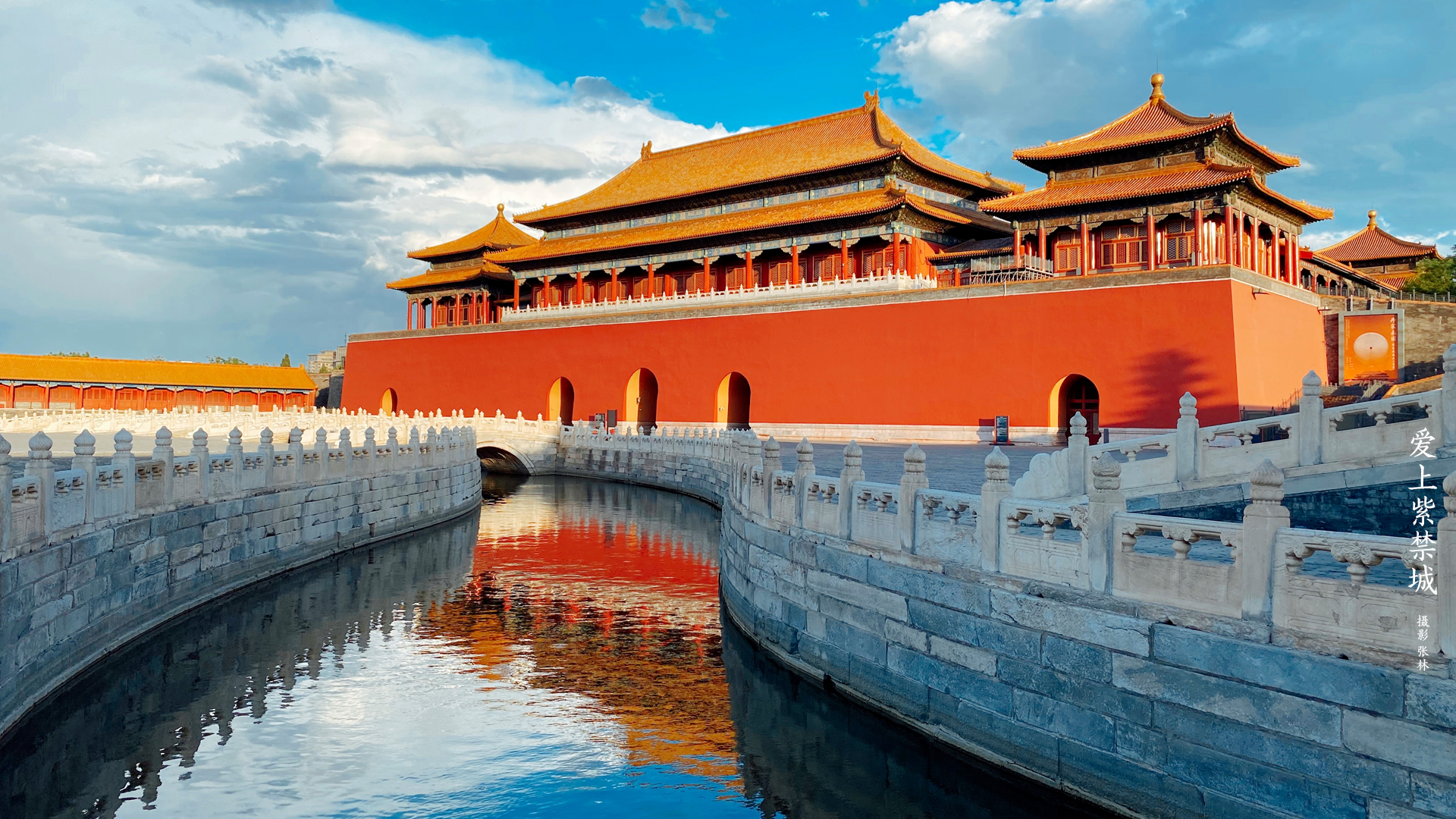
Source: official Palace Museum wallpaper page.
Start with the official booking channel
The Palace Museum says it has not authorized third-party agents for general admission, Treasure Gallery, Gallery of Clocks, or exhibition reservations. Before comparing prices elsewhere, check the official website, the official WeChat mini program, or the official English instructions for international bookings.
The English visit page says foreign visitors must provide passport numbers during online booking. If a reseller screenshot looks easier, remember that admission is tied to the original valid ID used for the reservation.
Plan around the 20:00 ticket release
The official ticket policy says admission, Treasure Gallery, and Gallery of Clocks tickets can be booked from 20:00, seven days before the visit, and are valid only on the visit day. Treat the Forbidden City as a fixed date in your Beijing plan, then build the rest of the day around it.
Time slots also matter. The Chinese visitor policy says morning-slot visitors must check in by 12:00, while afternoon-slot visitors can start check-in from 11:00. Leave room for hotel checkout, Tiananmen-area security, and transport.
Separate the base ticket from add-ons
The base ticket changes by season: CNY 60 from April 1 to October 31 and CNY 40 from November 1 to March 31.
The Treasure Gallery and Gallery of Clocks are each listed at CNY 10. For a first visit with limited time, the base ticket is enough to follow the central axis and main palace spaces. Add the galleries during booking only if you have a half day or more, or if a specific gallery is the reason for your visit.
Route from Wu men to the northern exits
The official visitor guidance describes a one-way south-to-north route. Entry is through Wu men, the Meridian Gate, and exits are the Gate of Divine Prowess in the north or East Prosperity Gate in the east.
That means even if your hotel is north of the museum, you still need to approach the south entrance. A clean day plan is Tiananmen area, Wu men entry, central-axis visit, northern exit, then Jingshan Park or metro transfer.
Check the refund and missed-appointment rules
Used tickets cannot be refunded. Unused tickets can be refunded through the original payment method before 24:00 on the day before the visit without counting as a missed appointment. Refunds before 20:00 on the visit day still count as one missed appointment. The official guidance says three missed appointments within 180 days lead to a 60-day booking restriction starting the day after the third miss.
If flights or transfers are uncertain, avoid putting the Forbidden City on your first Beijing morning.